For billboard sales reps and plant owners
Spec art for every empty board, before the first sales call.
The Cognitive Muse turns a prospect’s website into finished, print-ready billboard concepts in minutes. Stop selling a blank rectangle and start selling something they can already see.
Your artist: about $100 and two to three days. This: about $10, in minutes.
No account, no card — a couple of free tries per visitor.
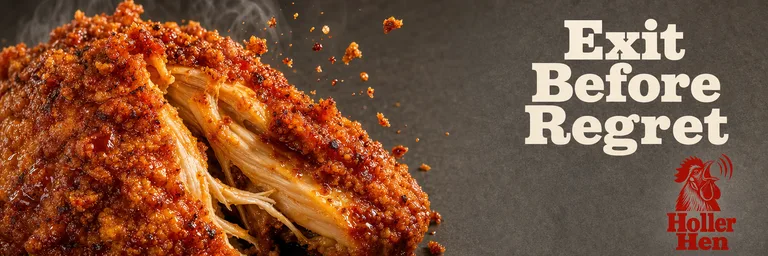
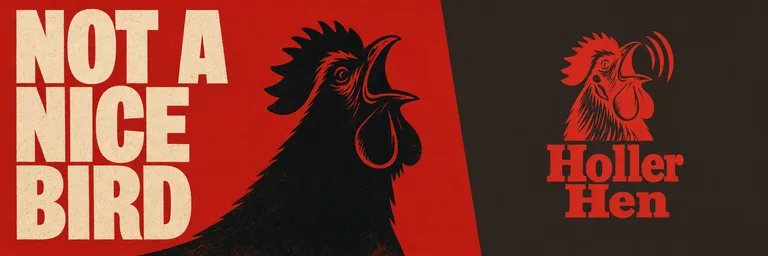
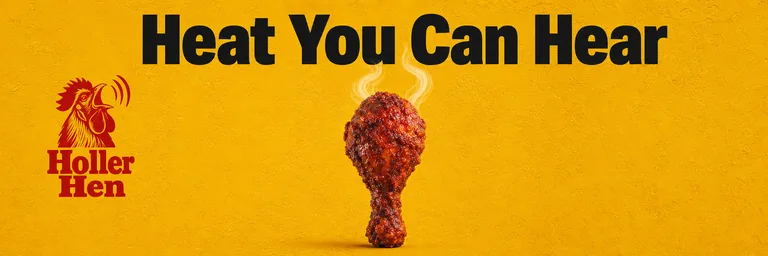
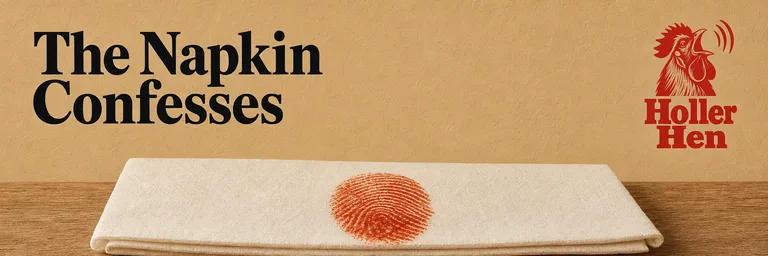
- Sell more inventory
- Fill vacant boards faster
- Create spec campaigns instantly
- Increase close rates
- Increase advertiser retention
- Let every salesperson behave like they have a dedicated creative team
The bottleneck
Every empty face is unearned revenue.
The reason a vacant board stays vacant is rarely the pitch. It is that nobody will spend a designer’s fee and three days of calendar on a prospect who has not said yes yet — so the prospect never sees their ad, and never says yes.
Spec art is slow
A freelance designer is a two-to-three-day round trip, and that is before the first revision. The deal cools while you wait on a file.
Spec art is expensive
At roughly $75–150 a design, speculative work only makes sense for accounts you are already fairly sure of. So the long tail never gets pitched at all.
Generic AI can’t do outdoor
Off-the-shelf image tools mangle logos, ignore billboard aspect ratios, and produce art that dissolves at 500 feet. Pretty is not the same as legible.
The prize
Five points of occupancy is $395 million.
The U.S. out-of-home advertising industry generated approximately $9.46 billion in 2025, with billboards accounting for about $6.72 billion. Healthy billboard occupancy is commonly estimated around 80% to 85% — although no standardized nationwide occupancy figure is publicly reported.
U.S. out-of-home advertising revenue, 2025
Billboards’ share of that total
Annual revenue per single point of occupancy
Unlocked by moving 85% occupancy to 90%
If the industry increased occupancy from 85% to 90%, it could generate roughly $395 million in additional annual billboard revenue — without building new structures or obtaining new permits. Low-cost, highly effective AI spec art could help produce that increase by letting sales teams create personalized billboard concepts instantly, improving proposal volume, conversion rates, advertiser confidence, and retention.
What could this do for your plant?
Industry estimates. At an 85% occupancy baseline, every one-percentage-point increase in occupancy represents approximately $79 million in potential annual U.S. billboard revenue. Figures describe the industry as a whole, not results produced by this product.
Why plants switch
Eight ways it changes the sales math.
Every one of these follows from the same change: spec art that used to cost days and real money now costs minutes and credits.
Reduce turnaround from days to minutes
Skip the freelancer round trip. A rep gets a finished, print-ready concept in about the time it takes to brew coffee, not a three-day wait on a file.
Produce more spec campaigns per salesperson
One rep can put together dozens of concepts in an afternoon instead of the handful a designer’s calendar allowed — without adding creative headcount.
Increase the percentage of prospects shown completed creative
When a mockup costs minutes instead of a $100 favor, it stops being reserved for the deals a rep is already confident about.
Improve occupancy on unsold inventory
Faster, cheaper spec art means the long tail of unsold boards finally gets pitched with real creative behind it, not just a rate card.
Reduce sales time spent coordinating designers
No brief to write, no asset request, no waiting on a freelancer’s queue — a rep generates the concept directly and gets back to selling.
Reduce abandoned revisions
Changes render in minutes instead of another multi-day round trip, so a prospect doesn’t cool off while a revision sits in an inbox.
Increase local advertiser conversion
Showing a local business its own storefront and message on a board, instantly, closes deals a generic template or a blank rate card can’t.
Standardize creative quality across hundreds of local offices
Every office generates from the same engine and guardrails, so output quality no longer depends on which office has a strong in-house designer.
How it works
Three steps, one login.
No brand questionnaire, no asset request, no round trip to a design queue.
Paste their website
The engine reads the site — palette, typefaces, logo, tone of voice — and writes a brand brief you can check before a single pixel is rendered. No brand questionnaire, no asset request email.
Pick the angle
Get several strategically different concepts at once, not five versions of the same idea. Each one is engineered around a distinct persuasion angle and laid out for a three-second glance at highway speed.
Export print-ready
Resize to every face you sell, drop the logo exactly where it belongs, and export at the correct scale and 300 DPI. Or mock it onto a photo of the prospect’s actual empty board.
Example output
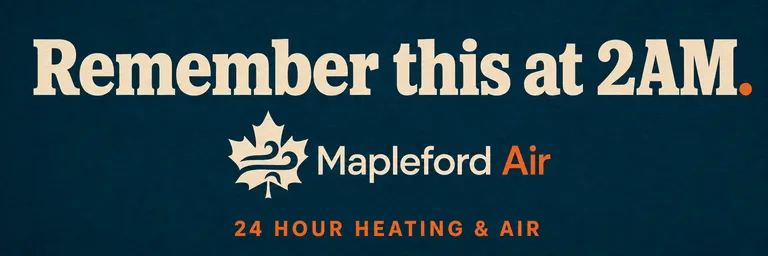
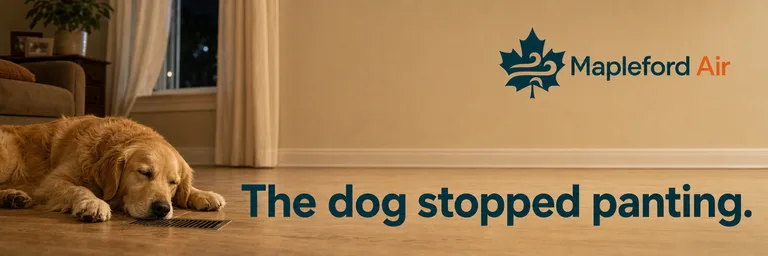
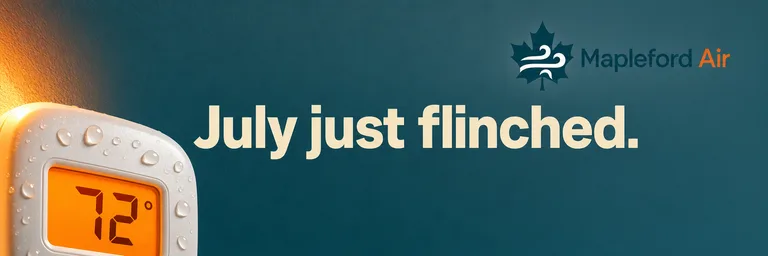
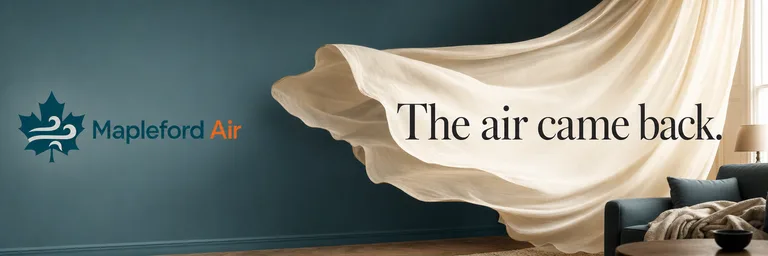
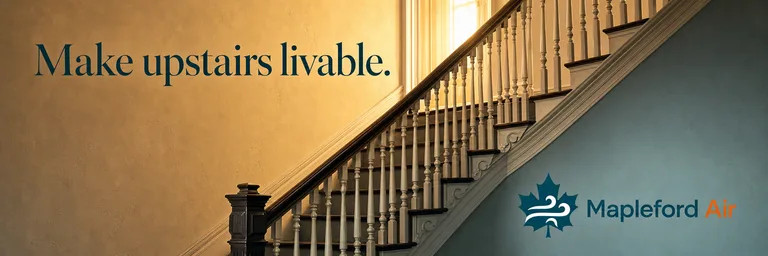
Boards the engine produced.
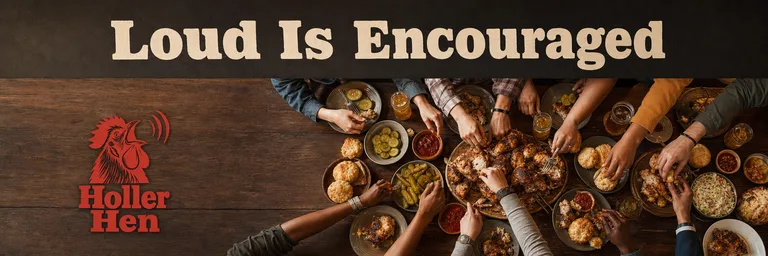
Real output from the product, shown at true 3:1 bulletin proportions. The people and businesses in them are fictional — these are demonstrations, not customer campaigns.
Why trust it
Built by an operator, on a real book of business.
This is not a demo looking for a market. The Cognitive Muse is used every day inside a working billboard plant — the same tool, on real inventory, real clients and real deadlines. If something does not survive a live sales week, it does not stay in.
2–3 days → minutes
From a designer round trip to a finished set of concepts inside one coffee break.
~$100 → ~$10
Cheap enough that pitching a prospect speculatively stops being a gamble.
5 free tools
Judge the thinking before you pay for anything. No account required.
Pricing
One credit is one dollar.
A new piece costs 10 credits and returns a set of concepts, not a single image. Unlimited users on every plan, and purchased packs are good for 12 months.
Starter
$99 / mo
100 credits / month
10 client ad sets · up to 50 images / month
Pro
$499 / mo
500 credits / month
50 client ad sets · up to 250 images / month
Enterprise
$999 / mo
1,000 credits / month
100 client ad sets · up to 500 images / month
Free, no account
Test a board before you print it.
5 tools that run on any billboard design — including one you did not make here. They are the same analysis the studio runs internally.
Billboard Heatmap Analyzer
AI attention heatmap: where drivers look first — and what they never see.
Billboard Conversion Predictor
Predicted recall, awareness and action scores — before you book the board.
Billboard Psychology Score
Design critique through a viewer-psychology lens, graded A to F.
Billboard Distance Simulator
Acuity-accurate previews at 100–1000 ft — catch copy that vanishes.
Billboard Color Psychology Tool
Three psychology-grounded palettes with hex codes, tuned to your brief.
From the blog
Learn what makes a billboard work.
25 articles on billboard design and artwork, effectiveness, value and performance — no signup required.
How Long Does a Driver Actually Look at a Billboard?
Every rule of thumb in outdoor advertising — seven words, one focal point, huge type — traces back to a single constraint: how little time you actually get.
Billboard Design 101: The Rules Every Effective Board Follows
Billboard design has fewer rules than most creative disciplines, and they exist for a reason: the medium punishes anything that breaks them almost immediately.
Billboard ROI: How to Actually Measure What a Board Is Worth
Billboard ROI can't be measured the way a digital ad's can — there's no click to count. That doesn't mean it can't be measured at all.
Questions
The things people ask first.
How long does a real run take?
About two and a half to three and a half minutes from pasting a URL to finished concepts. The animation at the top of this page is sped up so it fits on screen — the timing it shows is not the real timing.
Do I need to be a designer?
No. You describe the business, or just hand it a website address, and the system handles composition, hierarchy, contrast and legibility at distance. If you are a designer, you get layered output you can take into Photoshop.
Will it get the logo right?
Logo fidelity is the part most general-purpose image tools fail. This engine pulls the logo off the client’s website, places it against a reconstructed background so it sits naturally, and has an exact mode that composites your file untouched when the mark has to be pixel-perfect.
Does it handle real billboard aspect ratios?
Yes — that is a core problem it was built for. A 14×48 bulletin is roughly 3.4:1, far outside what general image models handle well. Extreme aspect ratios are guarded, locked and self-healed rather than cropped down from a square.
What does a design actually cost?
Every plan runs on credits, and one credit is one dollar. A new piece costs 10 credits, and that generation returns a set of concepts rather than a single image. Purchased credit packs are good for 12 months from the date of purchase.
Put an ad on their board this afternoon.
Pick a prospect, paste their website, and walk into the next meeting with something they can react to.